

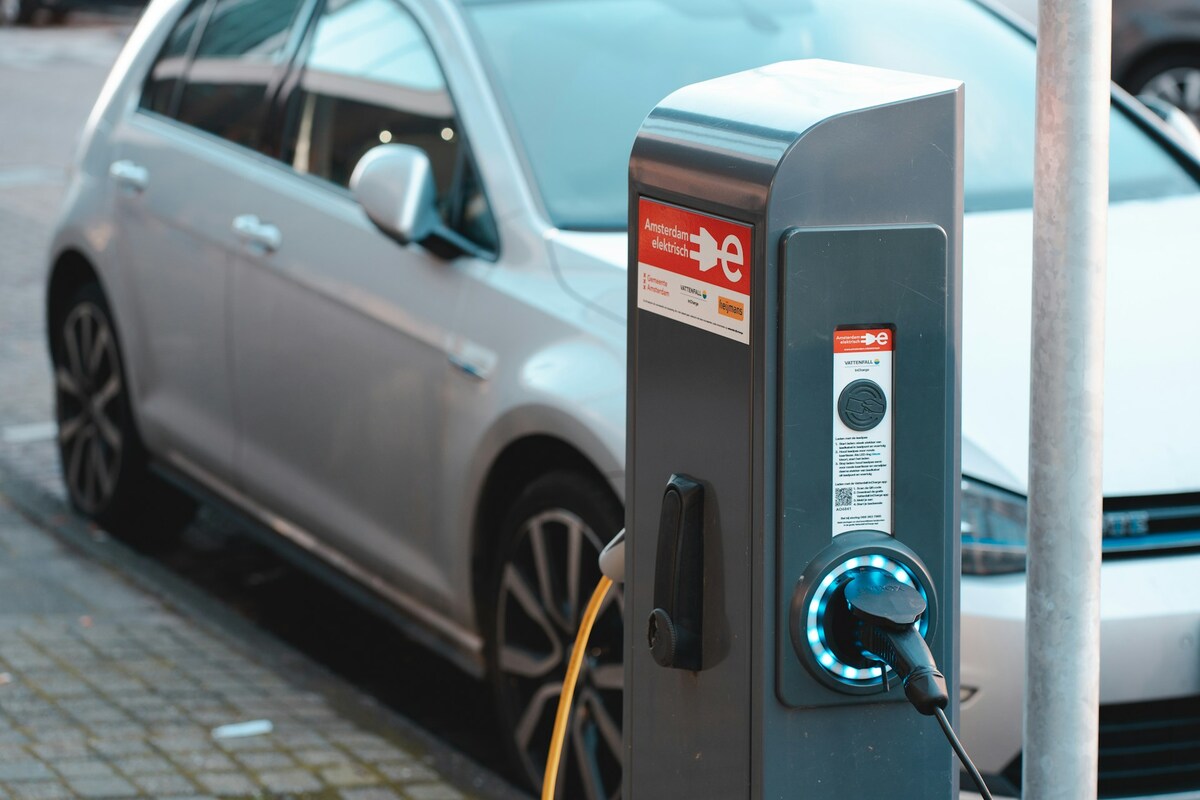
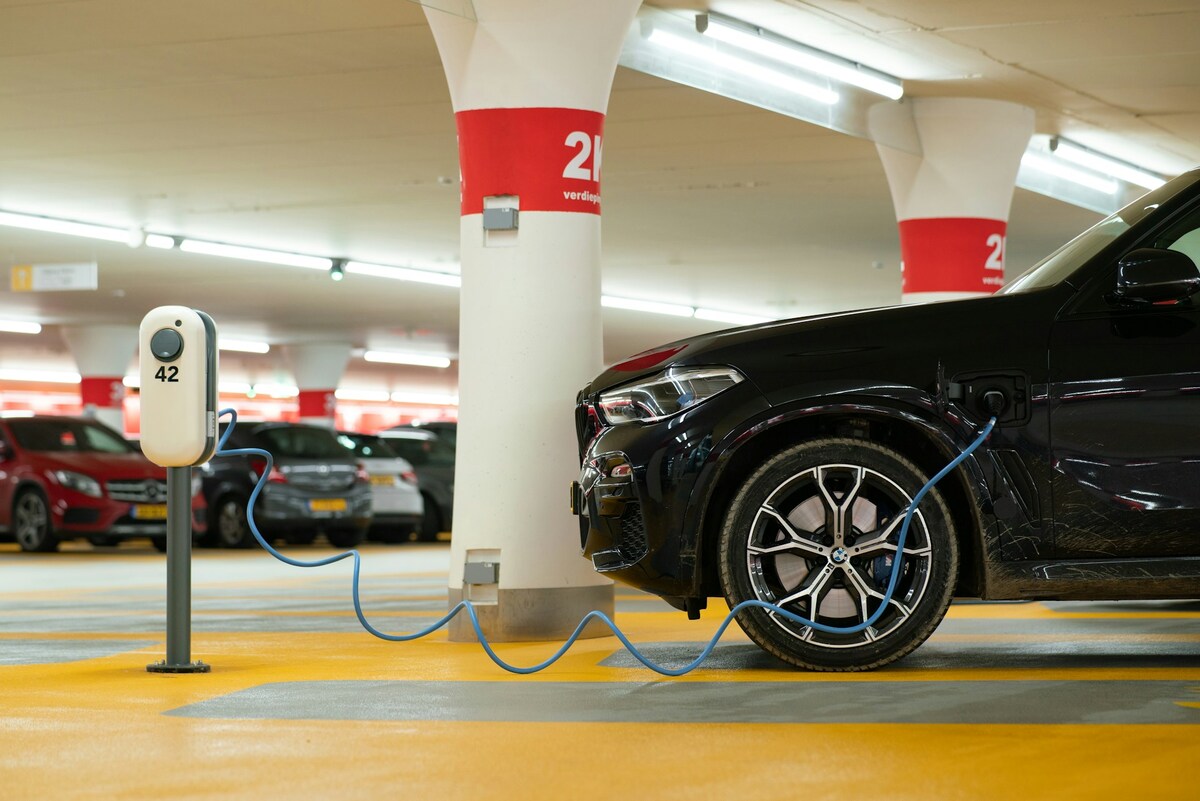
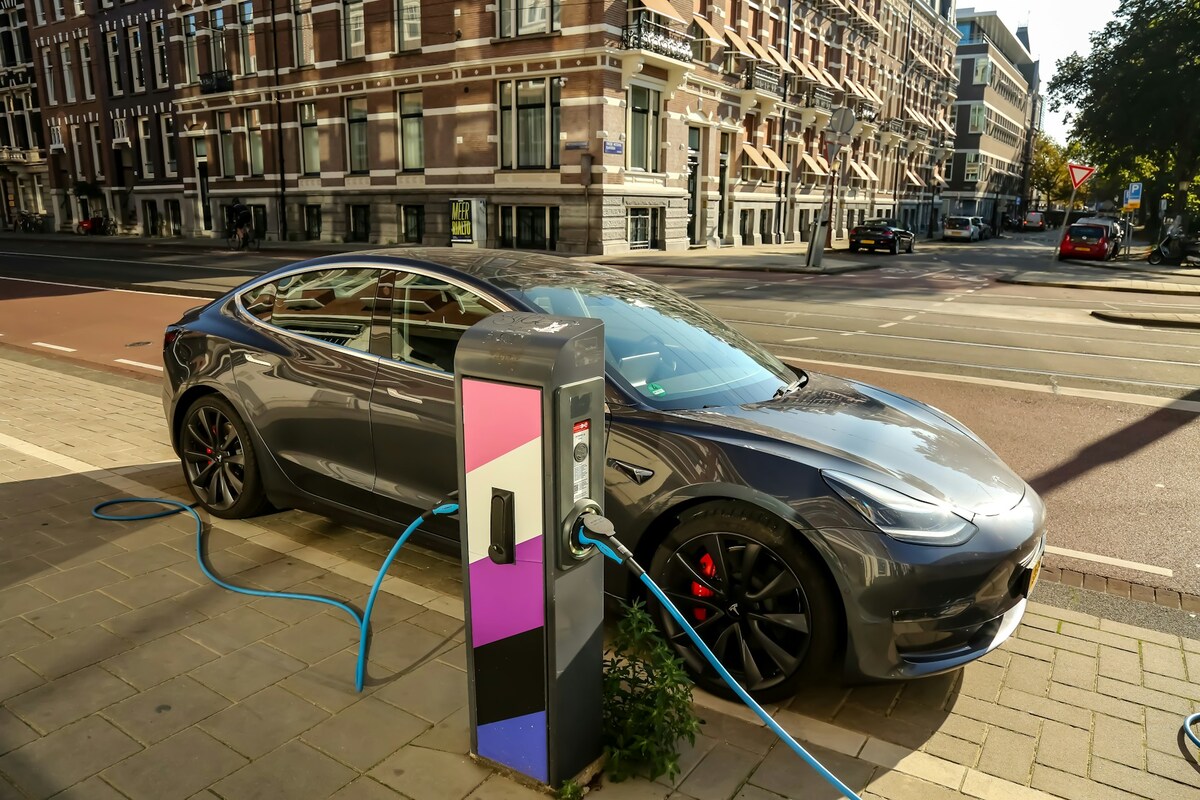
For drivers of electric vehicles (EVs), however, there are more options to choose from. That’s because on the one hand, the nascent EV sector is still on a path to standardization, and on the other because different charging speeds and power loads require more than one type of EV plug.
Establishing a unified set of technical specifications, rules, and processes is essential for achieving interoperability across diverse networks and charging stations in the EV charging infrastructure. The most effective solution is to replace your charging stations with new models that come equipped with a robust operations and maintenance plan to safeguard your investment.
Travel around the world and you’ll soon realize that each continent (sometimes each country) seems to have its own plug to connect devices to the power grid.
The Evolution of EV Plug Types
While extending the lifespan of an EV charger might seem like a smart choice for many charging station owners, it’s important to recognize that these stations may be operating on borrowed time, with inherent performance limitations.
loveelectric is also extremely helpful in guiding you through the leasing process with an easy-to-use portal that allows you to play around with car options. If you have any question – ranging from the type of car that might work for you to the installation of a charger.
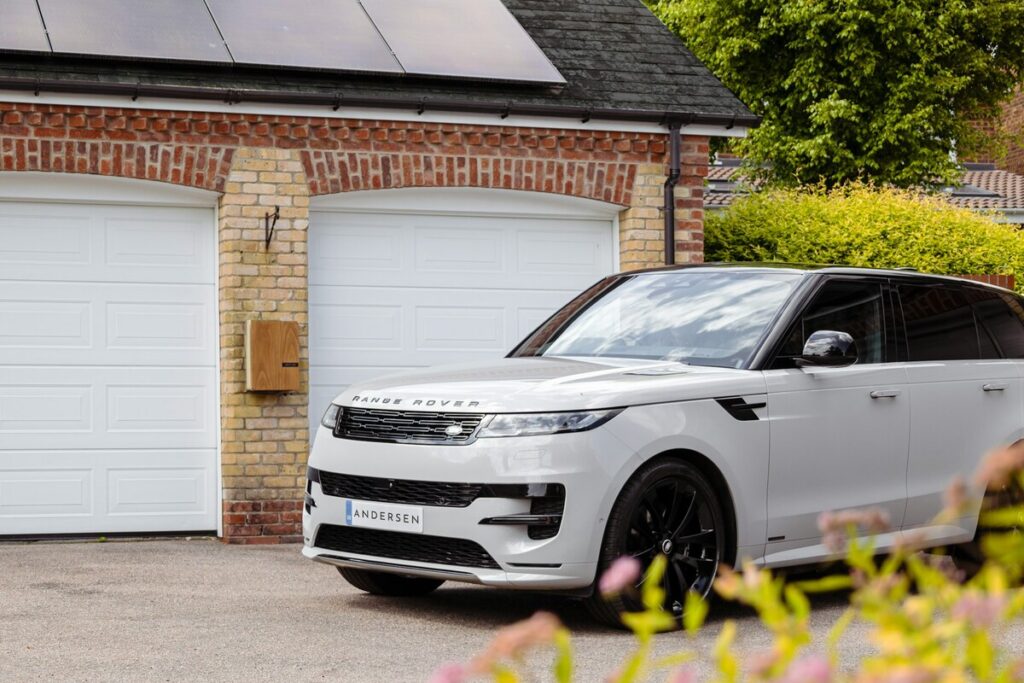
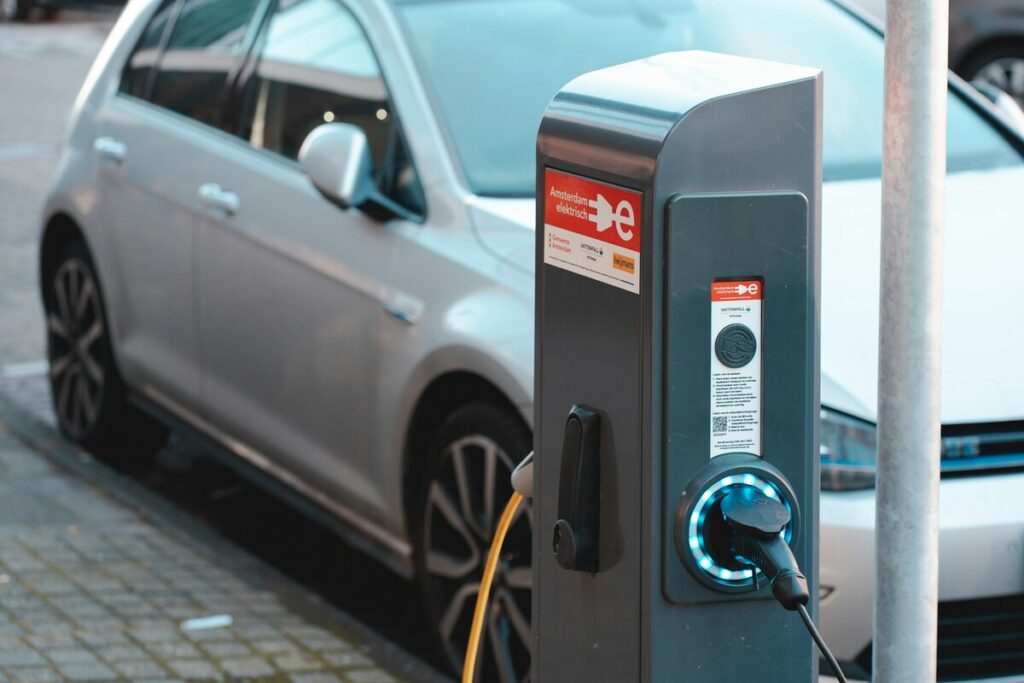
Understanding Different EV Plug Types
At the time of writing, Scope 1 and 2 reporting are mandatory for companies in the UK with over 500 employees or any listed company. However, there is increasing pressure to add Scope 3 emissions to this regulatory requirement, with the UK government calling for views on the costs, benefits, and practicalities of Scope 3 reporting in late 2023.
When it comes to EVs, myths about battery performance in winter weather often sound scarier than reality. Many drivers worry that colder temperatures could seriously impact their EV’s range or battery health, but the truth is that EV batteries are built to last, even through a few frosty mornings.


